
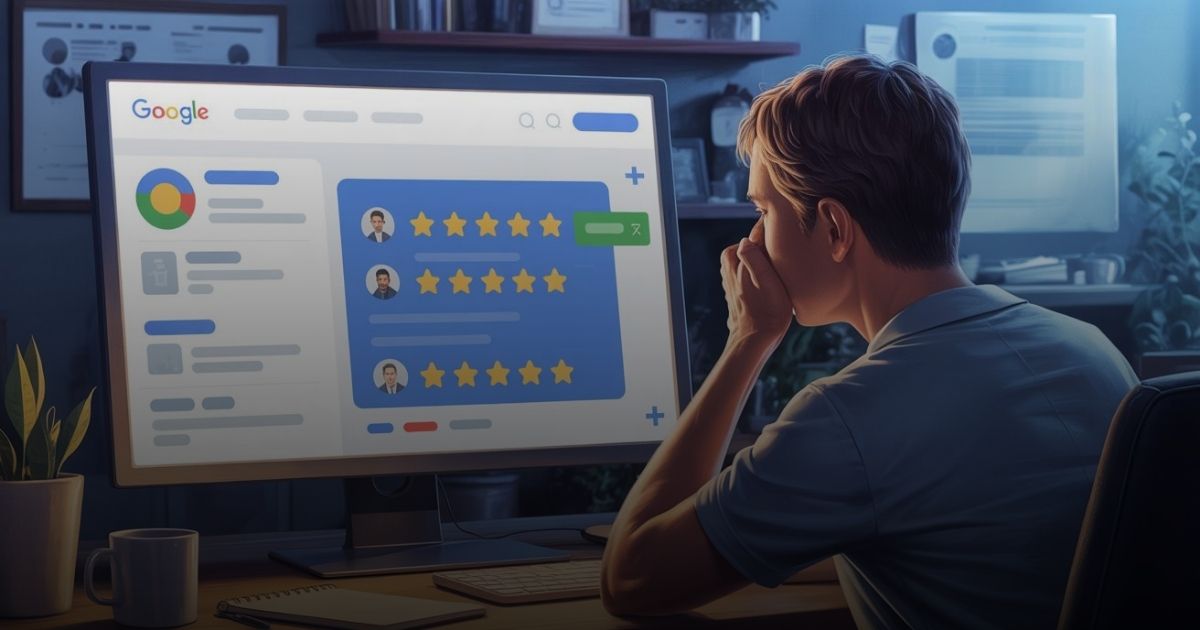
Ever stumbled upon a scathing comment on your Google Business Profile that you know isn’t real? It’s frustrating, unfair, and damaging. Suddenly, your star rating dips, inquiries slow, and customers start second-guessing your credibility. That’s when the urgent question hits: Can You Remove Google Reviews that are fake?
Fake reviews are more than digital graffiti—they’re calculated attempts to distort your reputation and mislead potential clients. Whether posted by a competitor, an ex-employee, or a random troll, these false narratives can spread faster than you can respond. They erode trust, impact your local SEO ranking, and quietly chip away at your bottom line.
But here’s the good news—fake reviews aren’t invincible. With the right strategy, you can expose them, flag them, and reclaim your business’s credibility. This guide will show you how to recognize fraudulent reviews, take swift action, and protect your online presence with authority and grace. Don’t let someone else write your story—learn how to defend your reputation and turn the tables on deceitful feedback before it defines you.
How Fake Reviews Can Damage Your Reputation Overnight
One negative review might seem harmless. But when that review spreads misinformation or accuses your business of something untrue, the ripple effect can be severe. People believe what they read online. A fake 1-star review can scare away new clients, lower your click-through rates, and make even loyal customers second-guess their choices. It’s not just bad for business—it’s bad for morale.
What You’ll Learn in This Guide
This guide walks you through identifying fake Google reviews, reporting them effectively, and protecting your reputation long-term. You’ll discover what Google actually allows, how to respond strategically, and how to create a bulletproof review ecosystem around your business. If you’ve ever wondered Can You Remove Google Reviews safely, you’ll find your answers here.
Understanding the Basics
What Counts as a Fake Google Review
A fake review is any post that misrepresents an actual customer experience. It can come from a competitor, a spam account, or a paid “review farm.” These reviews often contain vague complaints, unrealistic praise, or recycled language across multiple businesses.
How to Spot a Fake Review from a Real One
Fake reviews often share telltale signs: inconsistent details, generic wording, or profiles with no photo or review history. Real customers mention specifics—names, dates, or distinct experiences. If the feedback feels suspiciously impersonal or exaggerated, it’s worth investigating.
Why People Post Fake Reviews (and Who’s Behind Them)
Motives vary. Sometimes it’s a rival trying to sabotage your rating. Other times, it’s a freelancer hired to inflate or deflate scores across industries. Even former employees might lash out anonymously. The rise of AI-generated spam has made these reviews harder to detect, but not impossible to combat.
The Impact on Your Business
How Fake Reviews Affect Local SEO Rankings
Google’s local algorithm considers review quantity, quality, and recency. Fake negative reviews can push your business lower in search results, reducing visibility and traffic. On the flip side, artificially inflated positive reviews can trigger penalties if Google suspects manipulation.
The Hidden Cost of Ignoring Fake Reviews
Every minute you leave a fake review unaddressed, potential customers are forming opinions. Ignoring it can lead to lost revenue, fewer inquiries, and a weaker digital footprint. Worse, silence can be mistaken for guilt or poor customer service.
Real Stories: Businesses That Lost Customers to Fake Feedback
A small café in Chicago saw its weekend traffic drop 40% after a wave of one-star reviews claimed “food poisoning.” Investigation revealed the reviews came from overseas IP addresses. Another salon owner discovered fake negative comments posted minutes apart—by accounts that also reviewed five competitors. Both recovered, but not without time, proof, and persistence.
Google’s Official Stance
What Google Says About Removing Reviews
Google allows you to request removal of reviews that violate its policies—like spam, fake content, hate speech, or conflicts of interest. But they won’t delete a review simply because you disagree with it. The system is designed to protect consumer voice while maintaining authenticity.
Google’s Review Policy Explained in Plain English
If a review contains false information, impersonation, or promotional links, it likely violates Google’s content policy. Reviews must reflect genuine experiences, not fabricated events or malicious intent. Google uses algorithms and human moderation to enforce this—but the process isn’t perfect.
The Types of Reviews Google Will Actually Remove
Google will usually remove reviews that are:
- Left by non-customers or bots
- Containing offensive or discriminatory language
- Irrelevant (e.g., political rants)
- Plagiarized or duplicated across multiple businesses
Identifying Fake Reviews Quickly
Signs You’re Dealing with a Fake Reviewer
Watch for usernames with random numbers, repeated posting patterns, or extreme emotional language. Reviews posted in bursts or from geographically distant regions are also red flags.
Tools and Techniques to Detect Suspicious Reviews
Use tools like ReviewTrackers, BrightLocal, or Google Business Profile Insights to spot anomalies. Cross-reference email domains and timestamps. Monitoring tools can alert you to sudden rating changes—often the first sign of review fraud.
How to Track Review Patterns Across Multiple Accounts
Fake reviewers often leave near-identical feedback across several businesses in your niche. A quick Google search of a review’s text can reveal duplicates elsewhere. Keep screenshots and logs of these patterns—they’re essential evidence when reporting to Google.
Step-by-Step: Reporting a Fake Google Review
How to Flag a Review from Your Google Business Profile
- Log in to your Google Business Profile.
- Go to Reviews and find the suspicious one.
- Click the three dots beside it and select Report review.
- Choose a reason that aligns with Google’s policy (e.g., “Conflict of interest” or “Fake content”).
What Happens After You Report a Review
Google’s moderation team evaluates your report. If they find evidence of a violation, they’ll remove the review within a few days. Otherwise, they’ll leave it intact, assuming it represents a valid customer opinion.
How Long Google Takes to Respond
It typically takes 3 to 10 business days. However, response times vary depending on volume. If it’s been over two weeks with no action, you can escalate through Google Business Support.
If Google Doesn’t Remove It
Appeal Options When Google Denies Your Request
You can submit a secondary appeal with additional proof—like receipts, security logs, or communication records disproving the reviewer’s claims. Be concise and professional when explaining why the review violates guidelines.
How to Contact Google Business Support for Escalation
Use the Help section in your Business Profile dashboard. You can request a callback or live chat. Provide screenshots and URLs. The more evidence you offer, the faster they can assess your case.
Alternative Ways to Handle Persistent Fake Reviews
If removal fails, drown out the noise with genuine feedback. Launch a short review campaign encouraging loyal customers to share their experiences. The ratio of real-to-fake reviews will soon expose the inauthentic ones.
Taking Control of the Narrative
How to Respond Professionally to a Fake Review
Always stay calm and factual. Respond publicly with something like,
“We take all feedback seriously, but we can’t find any record of your visit. Please contact us directly so we can resolve this.”
This signals transparency to readers without fueling drama.
Sample Response Templates You Can Use
- “We’re sorry to hear about your experience, but we can’t locate your details. Could you email us at [address]?”
- “We strive for excellence and would love to make things right if you’ve truly visited us.”
Such replies demonstrate accountability without validating a fake claim.
When to Avoid Responding Altogether
If the review is clearly spam, irrelevant, or incoherent, skip the response. Engaging can amplify its visibility in search. Instead, focus on flagging and requesting removal.
Preventing Future Fake Reviews
How to Strengthen Your Google Business Security Settings
Ensure only authorized personnel have access to your Business Profile. Use 2-step verification and monitor login activity regularly. Fake reviews sometimes stem from compromised admin access.
Educating Your Customers About Authentic Reviews
Encourage clients to post reviews directly after a transaction and to mention specifics like service dates or employee names. This authenticity helps Google’s algorithm distinguish real experiences from fabrications.
Using Review Management Tools for Protection
Platforms like Podium, Birdeye, and Trustpilot automate review collection and flag anomalies early. Centralized monitoring saves time and helps preserve a clean online reputation.
Rebuilding Trust and Credibility
How to Encourage Real Customers to Leave Reviews
Ask politely—via email follow-ups or QR codes on receipts. Express gratitude and make it effortless for them to share honest feedback. Consistency compounds credibility.
Why Volume of Genuine Reviews Dilutes the Fake Ones
A few fake reviews lose impact when surrounded by dozens of verified ones. Google weighs review volume heavily, so a strong base of authentic feedback naturally pushes your rating back up.
Building a Long-Term Review Strategy That Works
Create a system: after each client interaction, trigger a review request. Offer reminders but never incentives. Long-term trust is built on honesty, not manipulation.
Wrapping Up
Key Takeaways on Removing Fake Google Reviews
Fake reviews can be fought—but strategy is key. Learn the policies, gather evidence, and act fast. Silence only benefits the fraudsters.
How to Maintain a Trusted Online Reputation
Be transparent, stay active, and encourage genuine voices to shine through. A business that engages with integrity always wins long-term.
Final Thoughts: Staying Proactive Beats Being Reactive
In the end, reputation management isn’t about perfection—it’s about consistency. Fake reviews will come and go, but your authentic story, told through real customers, will always prevail. When you ask yourself Can You Remove Google Reviews, remember—you absolutely can, with the right mix of persistence, proof, and professionalism.


